VIF Baseball
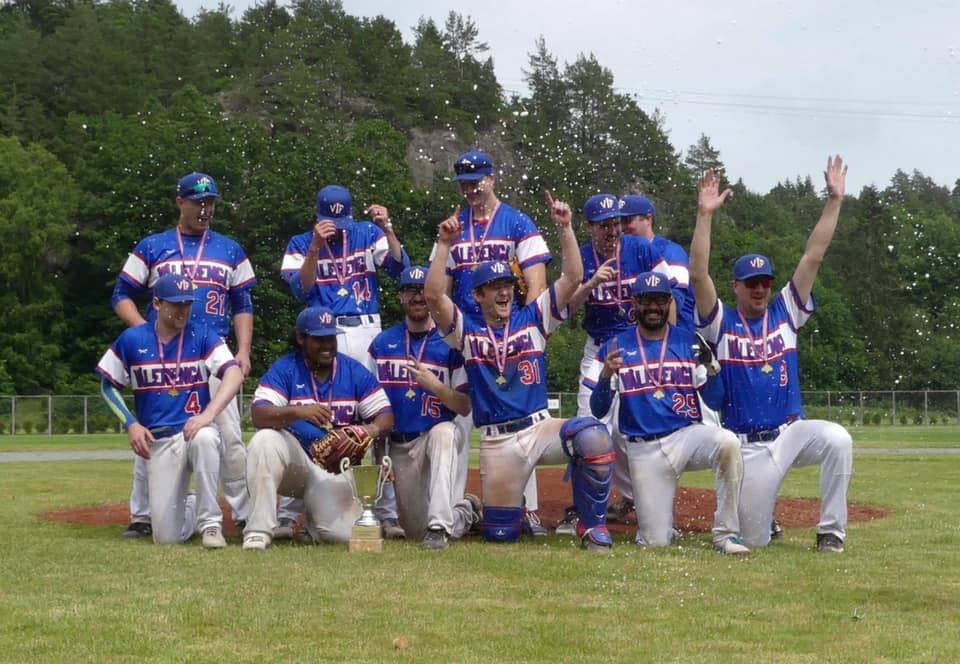
5× Norgesmester · 3× Seriemester · Stiftet 2022
5× Norgesmester · 3× Seriemester · Stiftet 2022
Fra kaotiske barnespill på britiske enger til en milliardindustri styrt av algoritmer. 12 epoker. En ubrutt tråd.
Før diamanter og proffkontrakter fantes det bare kaos. Rounders og Cricket ble tatt med over Atlanteren og muterte til lokale varianter som “Town Ball”. Myten om Abner Doubleday er nettopp det — en myte. Sannheten er at baseball ble kodet over tiår i New Yorks parker.
Alexander Cartwright og hans Knickerbocker Base Ball Club skrev “grunnloven”. De definerte 90 fot mellom basene, tre outs per omgang, og fjernet regelen om å kaste ballen på loperen. Baseball gikk fra lek til vitenskap.
Under borgerkrigen ble baseball den store fellesnevneren. Soldater fra nord og sør spilte i leirene, og da krigen var over tok de spillet med seg hjem til hver eneste lille bygd i Amerika.
National League ble dannet i 1876 for å rydde opp i gambling og fyll. Pitching-distansen ble flyttet til 60 fot og 6 tommer i 1893 fordi pitcherene dominerte for hardt. Reglene endret seg årlig for å finne balansen.
Ballen var myk, skitten og ble sjelden byttet ut. Ty Cobb regjerte med “small ball”. Så kom 1919-skandalen der åtte spillere ble utestengt for å tape World Series med vilje.
Da Babe Ruth ble solgt til Yankees i 1920, endret han sportens DNA for alltid. Han lærte verden at man kunne slå ballen over gjerdet. Radio brakte kampene inn i stua, og i 1935 ble den første nattkampen spilt under flomlys.
Hundrevis av MLB-stjerner tjenestegjorde i militæret. All-American Girls Professional Baseball League beviste at baseball ikke kjente kjønnsgrenser når nasjonen trengte det.
I 1947 brøt Jackie Robinson rasebarrieren i National League. Elleve uker senere gjorde Larry Doby det samme i American League. Dette var ikke bare en sportsbegivenhet — det var en sosial revolusjon. Samtidig flyttet lagene mot vest, og TV-alderen gjorde spillerne til globale kjendiser.
På 60-tallet ble pitcherene så gode at MLB måtte senke kastehøyden. Bob Gibsons ERA på 1.12 i 1968 står fremdeles som et monument over total dominans.
Free Agency og DH endret maktbalansen. Spillerne ble rike, og Rickey Henderson lærte oss at fart var et våpen. Han stjal 1406 baser — en rekord som trolig aldri ryker.
Gigantiske muskler og enorme home runs. McGwire og Sosa reddet sporten etter streiken i 1994, men det kom med en bismak av juks som senere rystet hele fundamentet.
Billy Beane beviste at tall knuser magefølelse. I dag måler Statcast alt fra ballens rotasjon til vinkelen på en sving. Med pitch-clock og forbud mot defensiv shifting er baseball raskere enn på hundre år.
Historien slutter ikke i 1845 eller 2002. Den skrives akkurat nå på Rommensletta. Er du klar?
Bli med på trening!